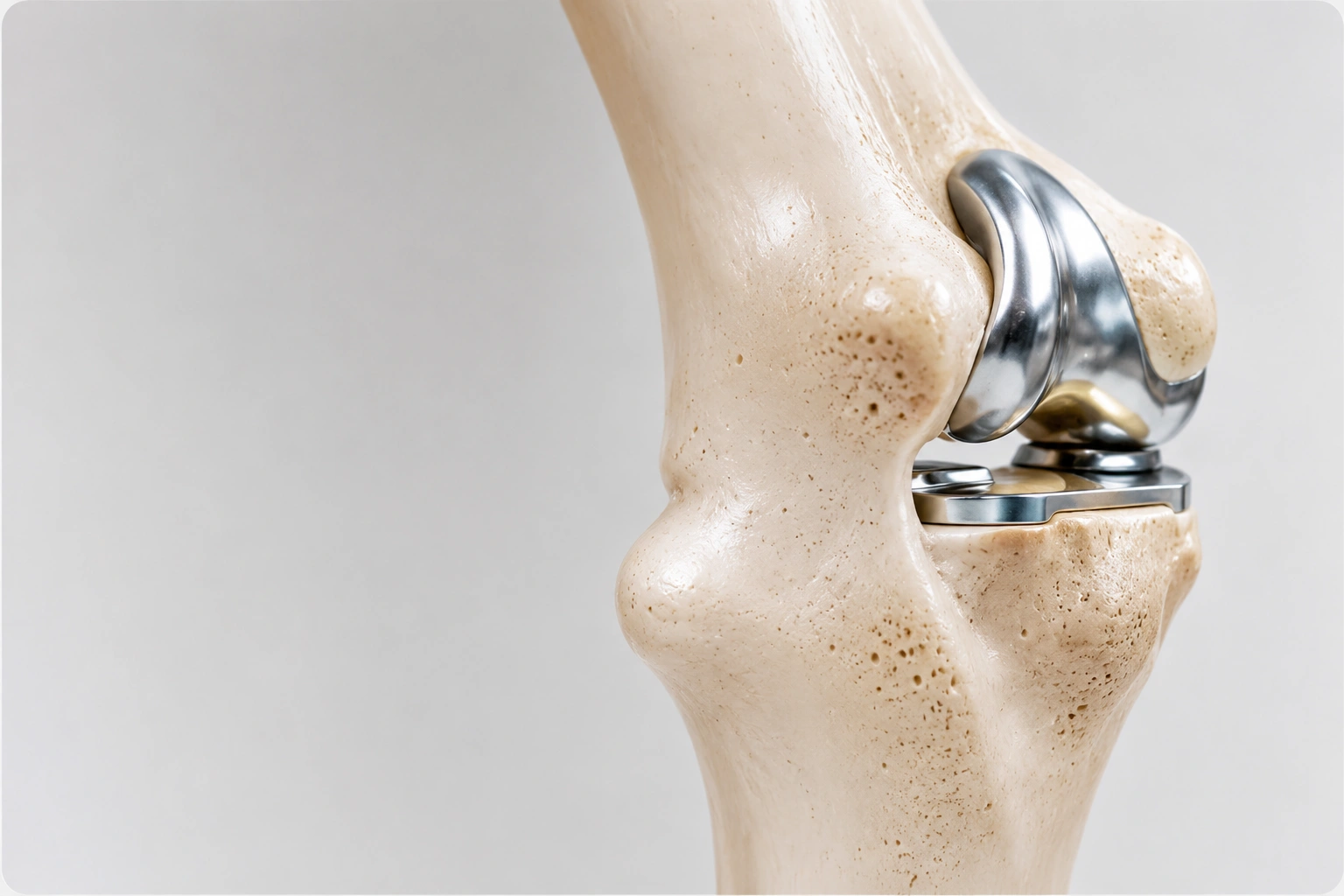
Elbow Replacement

Restore elbow movement and reduce pain with advanced replacement surgery.

Elbow Replacement

What is Elbow Replacement?

Elbow replacement is a surgical procedure that replaces damaged portions of the elbow joint with artificial implants. It is commonly recommended for patients with severe arthritis, complex fractures, or joint damage to relieve pain, improve flexibility, and restore normal arm function.

Expert Surgeons

Advanced Implants

Pain Relief

Personalized Care

OUR PROCESS

Your Treatment Journey

From consultation to rehabilitation, every stage of your elbow replacement treatment is carefully planned for safe surgery and lasting recovery.

01

Consultation

A detailed examination of your elbow joint, symptoms, and medical history.

02

Diagnosis

Imaging tests help determine the extent of joint damage and the best treatment.

03

Replacement Surgery

Damaged joint surfaces are replaced with durable implants to restore function.

04

Rehabilitation

Physiotherapy and follow-up care help regain strength, flexibility, and mobility.

Personalized Care at NSR

Expert Care for Elbow Replacement

At NSR Orthopaedic Clinic, every elbow replacement case is carefully evaluated to provide the most appropriate treatment based on the patient's condition. Our team is committed to delivering personalized care, continuous support, and rehabilitation guidance to promote a safe and confident recovery.

Frequently Asked Questions

Find answers to common questions about elbow replacement surgery and recovery.

Elbow replacement is recommended for people with severe arthritis, joint damage, or complex fractures that cannot be effectively treated with non-surgical methods.

Recovery usually takes between 3 and 6 months, depending on your overall health, rehabilitation program, and commitment to physiotherapy.

Most patients experience significant pain relief and improved movement, although the final range of motion varies based on individual conditions.

Modern elbow implants typically last 10–15 years or longer when combined with proper care, regular follow-ups, and avoiding excessive stress on the joint.