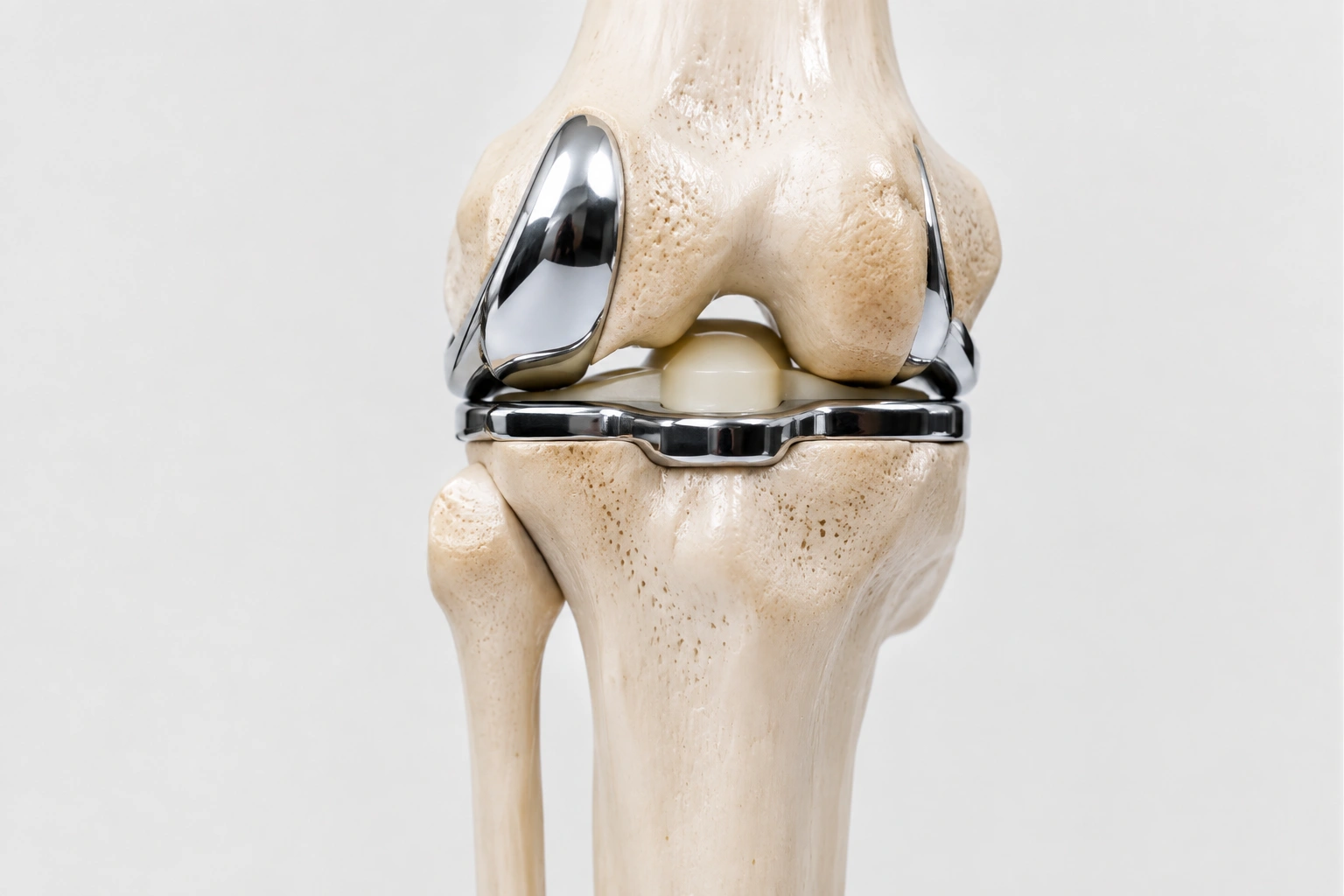
Joint Preservation Surgery

Preserve your natural joints with advanced treatments designed to relieve pain and improve mobility.

Joint Preservation Surgery

What is Joint Preservation Surgery?

Joint Preservation Surgery focuses on repairing damaged joints while preserving the natural bone and cartilage. These advanced procedures help relieve pain, improve movement, delay joint replacement, and support an active lifestyle, especially for younger and physically active patients.

Expert Specialists

Joint Preservation

Pain Relief

Better Mobility

OUR PROCESS

Your Treatment Journey

Our personalized approach focuses on preserving your natural joint, relieving pain, and helping you return to everyday activities.

01

Assessment

A detailed evaluation of your joint health, symptoms, and lifestyle.

02

Diagnosis

Advanced imaging helps identify cartilage damage, ligament injuries, and joint conditions.

03

Joint Preservation

Customized procedures repair and preserve the joint while minimizing tissue damage.

04

Rehabilitation

Personalized rehabilitation restores strength, flexibility, and long-term joint function.

Personalized Care at NSR

Expert Care for Joint Preservation Surgery

At NSR Orthopaedic Clinic, every joint preservation surgery case is carefully evaluated to provide the most appropriate treatment based on the patient's condition. Our team is committed to delivering personalized care, continuous support, and rehabilitation guidance to promote a safe and confident recovery.

Frequently Asked Questions

Find answers to common questions about joint preservation surgery and recovery.

Joint preservation surgery repairs damaged cartilage, ligaments, or bone while keeping your natural joint intact whenever possible.

It is often recommended for younger, active patients with early-stage arthritis, cartilage injuries, or sports-related joint damage.

Yes. These procedures can reduce pain, improve function, and delay the need for total joint replacement in many patients.

Recovery depends on the procedure performed, but most patients benefit from physiotherapy and gradually return to normal activities over several weeks to months.